Thorough Water Damage Services: Preserve Your Property From Future Issues
Extensive aquatic damage services play an essential role in shielding properties from recurring risks. They incorporate consistent inspections and maintenance of roof and plumbing systems. Initial detection of conceivable problems can prevent significant damage. Furthermore, progressive methods like water removal and mold abatement confront existing issues effectively. However, the most effective strategies also include preventive measures. Knowing these aspects can be fundamental for homeowners wanting to protect their investments and guarantee long-term safety. What should they focus on next?
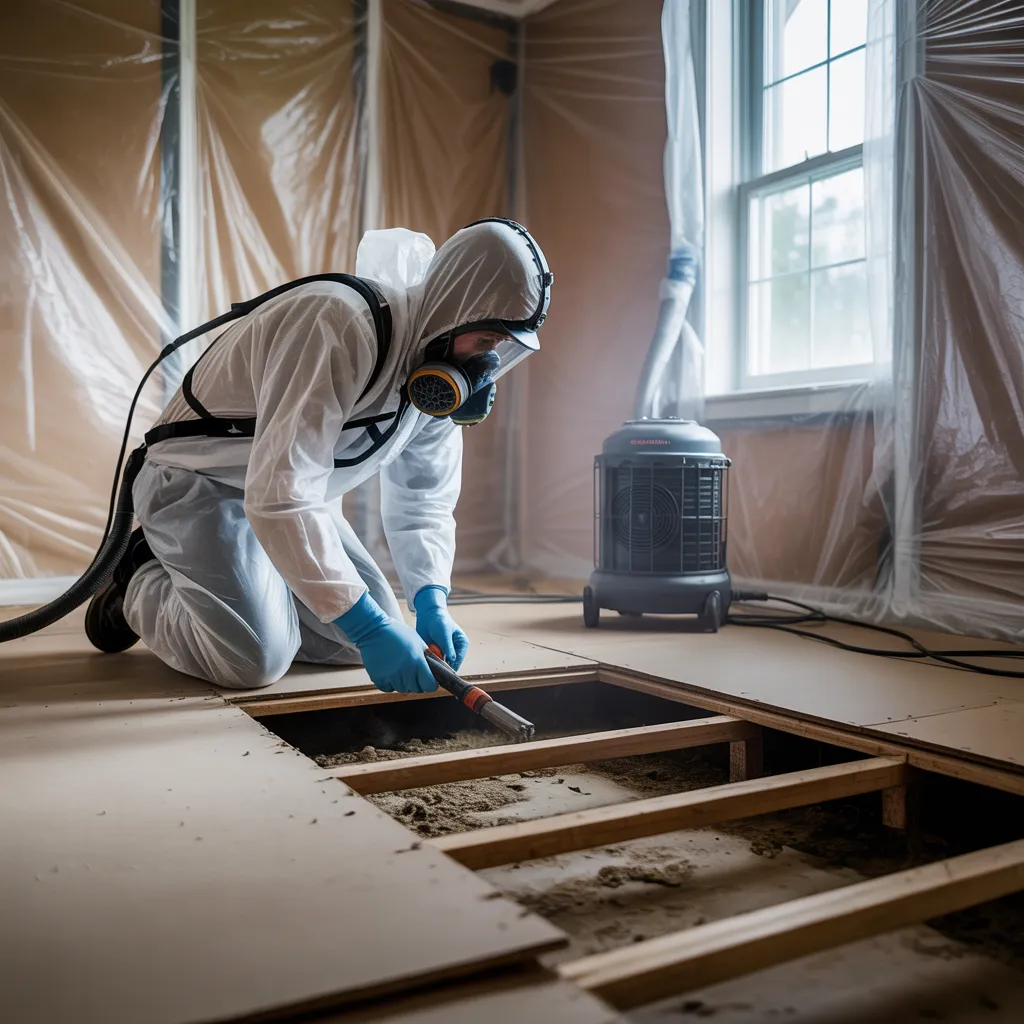
Why You Ought to Move Quickly on Water Damage
Reacting promptly to water damage proves vital. Postponing action can produce serious difficulties, including structural damage, mold growth, and mounting repair costs. Water can work into walls, flooring, and insulation, developing a favorable setting for mold spores to expand within 24 to 48 hours. This not only puts at risk the property but also creates health concerns to inhabitants.
Furthermore, the longer the water endures, the greater the damage increases, conceivably weakening the structural integrity of the property. Swift intervention helps lessen these effects, protecting both the property's value and the safety of its occupants.
Moreover, prompt response can expedite the recovery process, allowing homeowners to resume normal living faster. Engaging expert remediation teams immediately can guarantee thorough evaluations and effective remediation, avoiding additional problems down the line. Prioritizing immediate response is essential for protecting both property and health.

What Leads to Liquid Destruction and How to Detect It Early?
Water damage may arise from various sources, making early recognition crucial for mitigation. Common causes include plumbing leaks, roof leaks, and natural disasters such as heavy rain or floods. Aging infrastructure, such as worn-out pipes or compromised roofing materials, can also contribute greatly to water intrusion.
Property owners should stay watchful for signs of water harm, which may comprise stains on walls or ceilings, a musty odor, and mold growth. Additionally, flaking paint and warped flooring are indicators that moisture may be present. Regular inspections of plumbing systems and roofing can help catch issues before they worsen.
Early identification is crucial; addressing possible causes of water damage promptly can minimize costly repairs and protect the integrity of the property. By understanding the causes and recognizing the signs, property owners can take preventive action to shield their homes against water damage problems.
Vital Solutions for Successful Water Damage Remediation
When a building experiences flood damage, prompt and qualified restoration solutions are essential for effective recovery. Key services include water extraction, which involves removing standing water to prevent additional harm. Following this, detailed drying and dehumidification methods are critical to remove moisture from buildings and materials. Restoration experts assess the level of damage and decide on necessary repairs, whether it includes replacing flooring, drywall, or insulation.
Additionally, the process of mold removal is essential, as mold can develop rapidly in wet conditions, posing health risks and further compromising the property. Advanced techniques, such as thermal imaging and moisture mapping, enable identify hidden water sources and reduce recurrence. Finally, deodorization and sanitization services ensure that any lingering odors and contaminants are handled, making the property to a safe and healthy condition. Together, these essential services create a thorough approach to effective water damage restoration, safeguarding properties from long-term issues.
Tips for Avoiding Future Water Damage
Effective water damage restoration highlights the importance of preventative actions to avert future incidents. Property owners should routinely inspect their roof areas, gutters, and water spouts to confirm they are clear of debris and operating correctly. This avoids water pooling that can lead to leaks and damage to structure. In addition, maintaining plumbing systems by inspecting for leaks and ensuring proper water drainage can substantially reduce the chance of water damage.
Installing water pumps in cellars and using moisture-proof materials during renovations can also provide an extra layer of protection. Moreover, homeowners should consider landscaping adjustments, such as grading soil away from the foundation, to channel water drainage properly. Regular upkeep and prompt fixes are essential for protecting homes against potential water damage, thereby similar article maintaining their condition and worth. Taking these steps can help create a durable setting that minimizes future risks associated with water intrusion.
A Guide to Picking the Most Suitable Water Damage Service Provider
How can property owners ensure they select the most suitable water damage service provider? First, they should research potential companies carefully, checking for certifications, licenses, and insurance. A reputable provider should possess professional certifications, such as those from the Institute of Inspection, Cleaning and Restoration Certification (IICRC).
Following this, examining customer reviews and testimonials can yield understanding regarding the company's credibility and service performance. Property owners should also investigate the breadth of services offered, confirming they contain everything from initial evaluation to full-scale restoration.
Additionally, securing several quotes can help in comparing costs and understanding the scope of services provided. Finally, evaluating the provider's response time is vital; a rapid response can mitigate harm. By taking these elements into account, property owners can determine the best course of action, ensuring their home receives the best possible care in emergency situations.
Popular Inquiries That Users Ask
How Much Does Water Damage Repair Usually Cost?
Water damage repair expenses typically fall from $1,000 to $5,000, depending on the severity of the damage, location, and services required. Other elements, like materials and workforce, can affect the final cost substantially.
Is Water Damage Restoration Covered by My Insurance?
Insurance coverage for water damage repairs often depends on the specific policy terms. Generally, if the damage stems from a covered incident, such as a ruptured pipe, insurers may provide monetary support for repair expenses.
What is the Timeline for Water Damage Restoration?
Water damage restoration typically requires one to five days, depending on the extent of the damage, the materials affected, and the drying process required. Postponements can happen if significant repairs or mold treatment are required.
Can I Handle Water Damage Restoration Myself?
Dealing with water restoration work on your own is achievable, but it often requires expert know-how and specialized tools. Inadequate remediation can lead to mold development and building damage, rendering expert help a safer and more effective option.
What Health Risks Result From Water Damage?
Water damage creates several health risks, including mold growth, which can bring about respiratory issues, allergies, and infections. Contaminated water may also support bacteria and viruses, contributing to gastrointestinal illnesses and other serious health complications.